
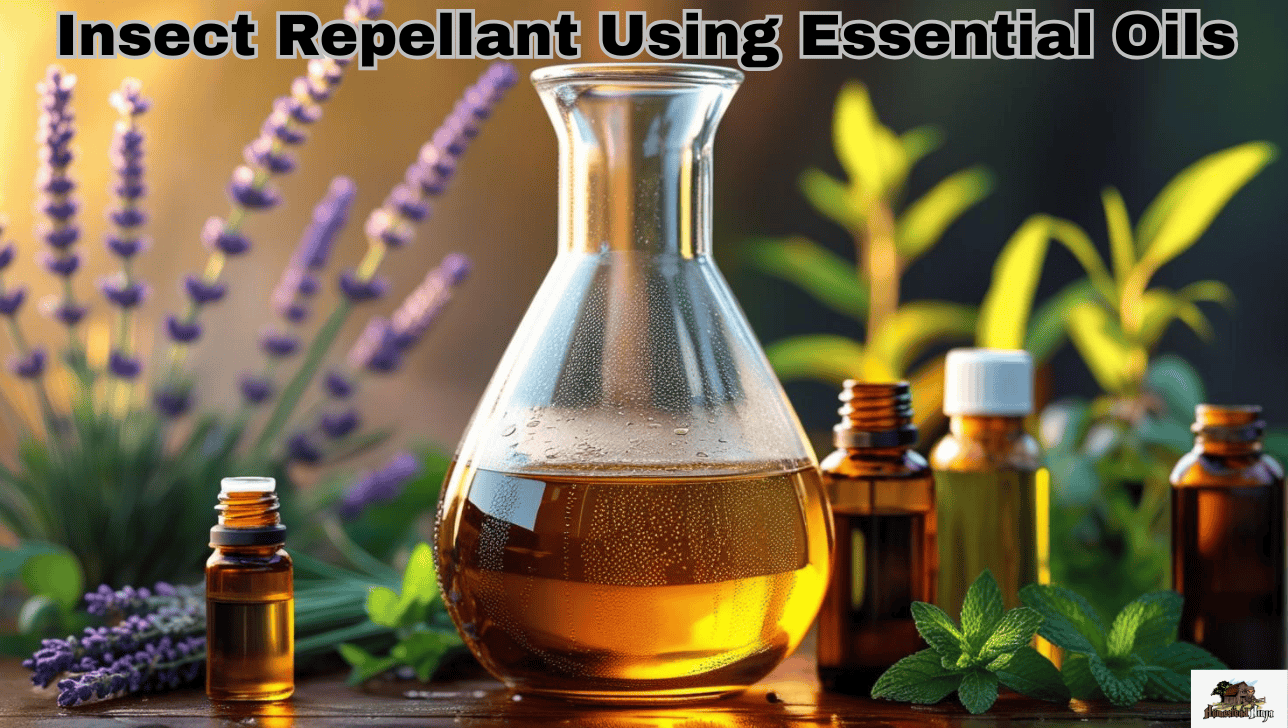
Making effective insect repellant using essential oils is as easy as 1-2-3. Combining essential natural oils like citronella, lavender, eucalyptus, and peppermint with a carrier oil or base solution. As a seasoned homesteader, I have learned that the natural solutions often work just as well as their chemical counterparts – and they’re safer for your family and mother nature. Has it crossed your mind why there are some people who seem to get bitten by mosquitoes more than the others? Or why do some certain natural scents keep bugs at a distance? This is the reason why essential oils provide answers to these questions, and I’m excited to share my own experience using insect repellant using essential oils.
Main Questions About Essential Oil Insect Repellants
What are the Essential Oils that actually work against Insects?
Based on my experience, these oils are proven most effective.
- Citronella
- Lavender
- Eucaluptus
- Peppermint
- Tea Tree
- Lemongrass
- Cedarwood
Are there any expiration dates for these oils?
Well, chemical repellants typically last longer, as essential oil solutions usually last around 2-3 hours of protection. More importantly is the proper application and reapplication as needed.
How safe is it for everyone?
When you say “natural” doesn’t always mean completely safe. Always dilute properly and test on a small and controlled area first. Some oils are not suitable for young children or pets.
Creating Your Own Essential Oil Repellant
Basic Recipe:
- 30 drops total of chosen essential oils
- 2 oz carrier oil (like coconut oil) or witch hazel
- glass spray bottle
My Favorite combinations:
Forest Blend
- 10 drops cedar wood
- 10 drops eucalyptus
- 10 drops lavender essential
Garden Guard
- 15 drops citronella
- 10 drops peppermint essential
- 5 drops lemongrass
Application tips from Years of Experience
Do’s:
- Apply every 2-3 hours
- Store in dark glass bottles
- Keep away from direct sunlight
- Shake well before each use
Dont’s:
- Don’t apply undiluted oils directly to skin
- Avoid getting in your eyes or mouth
- Don’t use on damaged skin
- Don’t skip the patch test
Advanced Tips for Maximum Efficiency
Environmental Support:

- Plant Repellant herbs around your property
- Use Essential oil diffusers on porches
- Create natural barriers with potted plants
Seasonal Considerations:
- Increase concentration during peak bug seasons
- Adjust blends based on active insects
- Consider your surrounding humidity which might affect effectiveness
Troubleshooting Common Issues
What If The Repellant Isn’t Working:
- Check your oil freshness
- Increase the mixture concentration lightly
- Try different oil combinations
- Ensure the mixture is properly applied
The Economics of Natural Repellants
While the initial investment in Essential oils might seem expensive, they’re actually cost-effective. Here’s why:
- One bottle makes multiple batches
- Multi-purpose uses beyond repellant
- Fewer skin reactions means less waste
- Sustainable and renewable resources
Conclusion
Essential oil insect repellants are a viable and natural alternative to chemical-based insect sprays. After years of homesteading and experimenting with different combinations, I can confidently say that insect repellant using essential oils works when properly prepared and applied. The key is choosing the right oils, maintaining proper dilution measurement and understanding right-time application.
People Also Ask:
- How often should I reapply natural insect repellant?
- Can I use essential oil repellant on children?
- Which essential oils repel specific insects?
Related Searches:
- DIY Natural bug spray recipes
- Best essential oils for mosquitos
- Child-safe natural insect repellant
- Organic pest control methods
Always remember, the idea of making your own repellant lies in the ability to customize it to your specific needs while maintaining harmony with nature – something we homesteaders value deeply.