
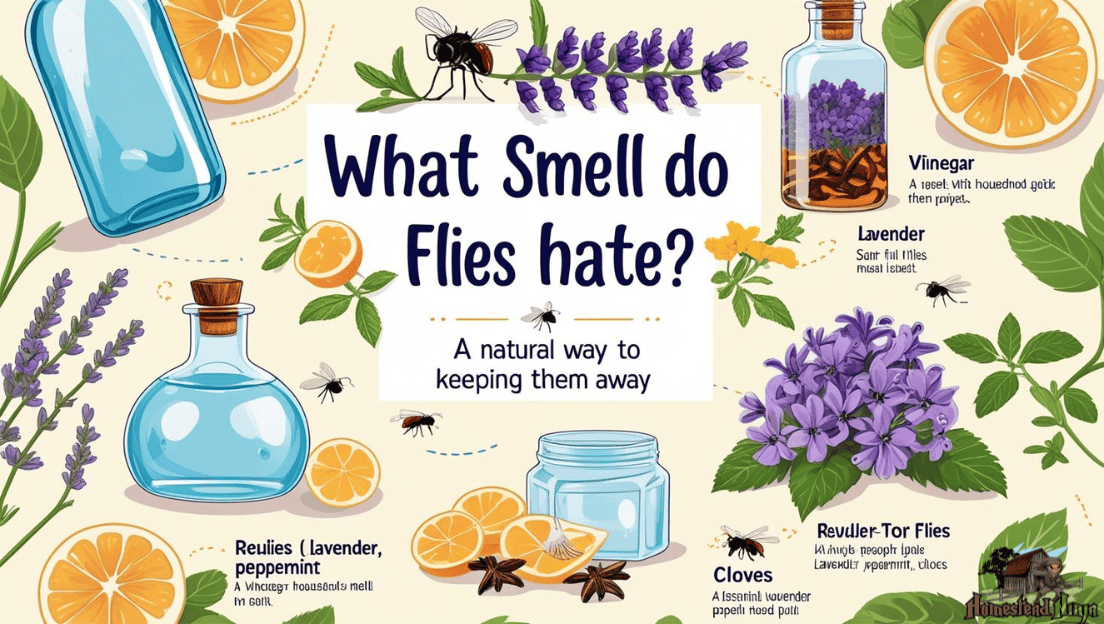
Flies strongly hate the smells of lavender, peppermint, basil, citrus, eucalyptus, clove, lemongrass and cinnamon. Based on my years of experience keeping our living spaces fly-free, I can confidently say that understanding what smell do flies hate is important for maintaining a fly-free environment around your home and garden. These solutions aren’t just effective; they’re also safe for your family and the environment. But why do flies hate these smells? How can you effectively apply these scents to protect your home and garden? And what is the most efficient method of application to repel flies? So come on, let’s dig deeper into these questions and together we will unravel the fascinating world of natural fly control.
Behind-the-Scene Science of Fly-Repelling Scents
Why Do Certain Scents Repel Flies
Flies have complex olfactory systems that are sensitive to strong aromatic compounds. While they are attracted to decomposing matter and sweet scents, they are naturally repelled by certain strong, clean aromas that “signal” danger or “unsuitable environment” to their primitive brains.
Which Of These Scents are Most Effective?
Based on my years of homesteading experience and scientific research, here are the top fly-repelling scents:
- Lavender
- Peppermint
- Eucalyptus
- Lemongrass
- Tea Tree
- Basil
- Rosemary
- Bay Leaves
- Mint
- Citrus Peels
- Cinnamon
- Pine
- Cedar
Practical Applications: Using Scents To Deter Flies
Indoor Solutions:
- 10 drops using lavender essential oil
- 10 drops peppermint essential oil
- 2 cups water
- spray bottle
- small cloth bags filled with dried herbs
- place near windows and doors
- citrus peels
- cinnamon sticks
- fresh herbs
- simmer in water for natural freshening
Outdoor Solutions
- Plant lavender, basil, and mint around outdoor seating areas
- Create herb borders around compost bins
- Hang bundles of dried herbs
- Place potted aromatic plants strategically
- Add pine needles and cedar chips
- Layer with aromatic herbs
Making Your Home Naturally Fly-Repellant
Strategic Placement of Repellants
Creating natural barriers and making entrance points away from flies. Think like a fly – where would they try to get in: and where would they linger?
- Entrance points are primary targets:
- Doors and Windows: This is where most flies enter. Place sachets of cotton balls soaked in peppermint, lavender or citronella essential oils on windowsills, near doorframes, and even inside screens. For frequently opened doors, place a diffuser nearby.
- Vents and Other Openings: Any unsealed cracks, vents, or even pet doors can be entrance points. A dab of repellant oil on the frame of these openings can repel flies.
- High-Traffic Fly Areas:
- Kitchen & Dining Areas: Flies are attracted to food. Place small dishes of clove-spiked oranges or lemons, or cotton balls with eucalyptus oil near fruit bowls, trash cans, and food prep areas. Keep your herb plants like basil and rosemary on kitchen counters.
- Patios and Porches: For Outdoor living spaces, place bigger diffusers, herb bundles like dried rosemary or lavender near seating areas. Planting marigolds or basil in pots around your patio edges can also help create a living barrier.
- Trash Bin: Inside or outside areas, flies are attracted to garbage. Placing a few drops of tea tree oil or peppermint oil directly into the bottom of clean trash cans before placing the trash bag can repel them.
- Garden And Yard Boundaries:
- Perimeter Planting: Create a natural fence by planting fly-repelling herbs and flowers like basil, mint, rosemary, marigolds and lavender around the house, near pathways and around outdoor seating areas. This acts like a 24/7 living repelling system.
- Targeted Plantings: If you have any specific problem areas like a compost bin or a pet run, place pots of strong-smelling herbs nearby.
Maintenance Tips: Keeping the Scents Strong and Effective
Natural repellants require some more persistence than chemical ones, but the benefits are much worth it. Consider it as home-nurturing natural defenses.
- Refresh Scents Regularly: Essential oils evaporate. For cotton balls and sachets, refresh the oil every 2-3 days or as needed basis.
- Cleanliness is a cardinal principle. No scent, no matter how strong, can overcome the allure of readily available food sources or breeding grounds.
- Immediately clean spills: Sugary drinks and food crumbs can instantly become fly magnets
- Cover Food: All foods should be covered including ripe fruits in the counter
- Empty Trash Frequently: Don’t let garbage sit, especially food waste.
- Pet Waste: Dispose pet waste in the yard properly.
- Rotate Essential Oils: Flies like any pest, can sometimes get accustomed to a single scent over time. Rotating your chosen essential oils can keep them guessing and enhance effectiveness. For example, use peppermint for a week, then switch to eucalyptus, then lavender.
- Store Oils properly: Keep your essential oils in dark glass containers, away from direct sunlight and heat. This preserves their efficiency and extends shelf life, ensuring your repellants are always as effective whenever you use them.
- Check and seal entry points: Regularly check your window screens for holes, ensure door sweeps are intact, and seal any cracks in foundations or walls.
- Prune repellant Plants: If you have live plants inside or outside your house, prune them regularly. This encourages new growth, which often has stronger aromatic compounds, therefore maximizing repellant properties.
Advanced Fly-Control Strategies
Layered Defense Approach:
- Screen windows with herb sachets
- Doorway deterrent sprays
- Clean drains with peppermint solutions
- Maintain aromatic garden borders
- Increase measures during peak fly seasons
- Adapt scent strength based on temperature

Conclusion
What smell do flies hate? They repel strong, clean aromas like lavender, peppermint, citrus, and eucalyptus. Through years of research and homesteading experience. I’ve found that using these properties effectively can create a comfortable, fly-free environment without resorting to chemical-based repellants. The key is consistency and using multiple smart approaches simultaneously.
Remember, creating a fly-free environment isn’t just about using repellent scents; it’s about creating an overall environment that repels flies while keeping your space pleasant for humans. With these natural solutions, you can maintain a healthy, comfortable home without compromising on safety or effectiveness.
People Also Ask:
- How long do fly-repelling scents last?
- Is lavender oil better than chemical sprays for flies?
- Can you use vinegar and essential oils together to repel flies?
Related Searches:
- Natural fly repellents for outdoor spaces
- Fly-repelling plants for gardens
- DIY vinegar fly traps