
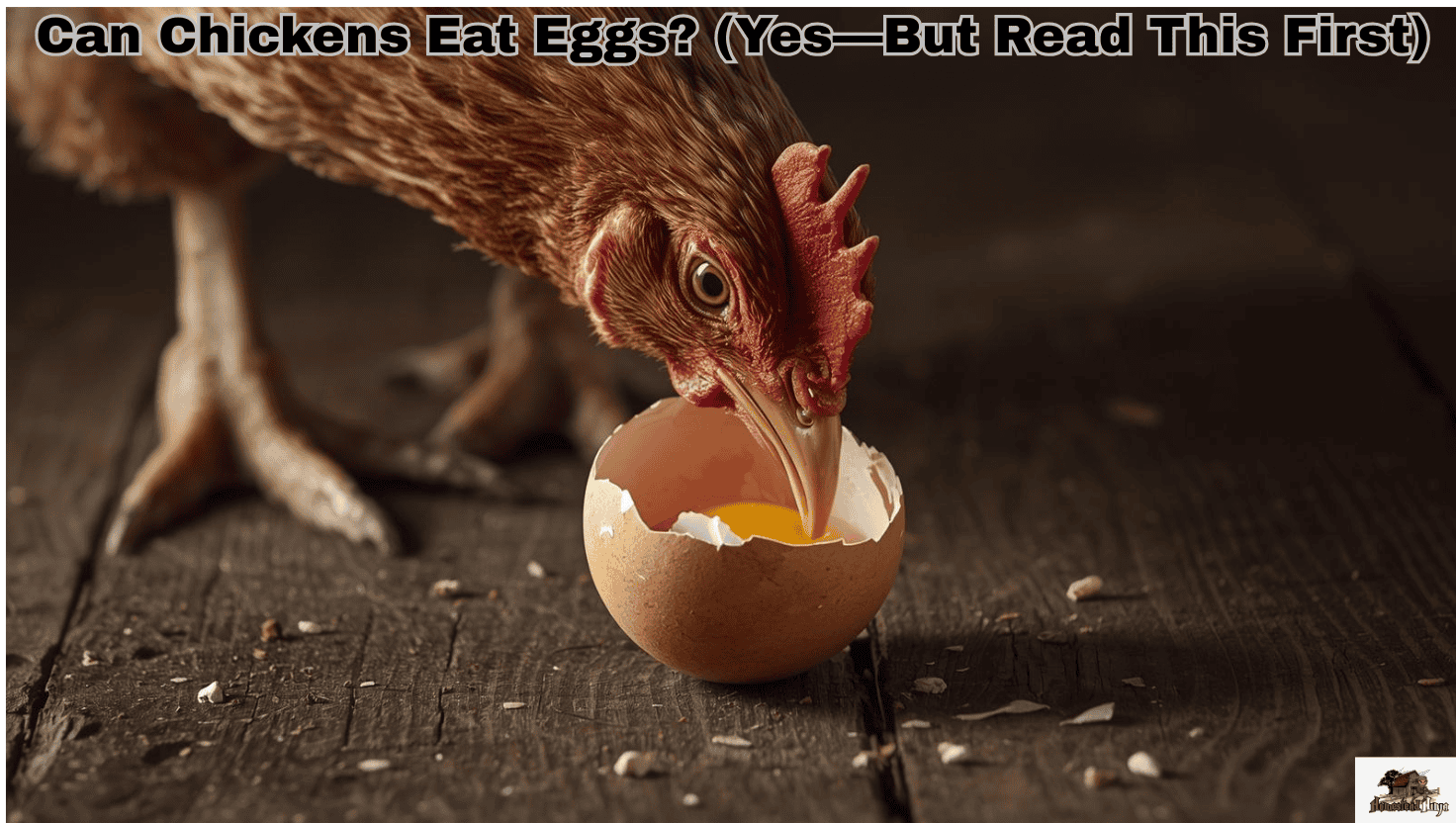
If you’re new to raising backyard chickens, feeding eggs back to your flock might sound completely insane at first. After all, why would chickens eat the very thing they lay?
But here’s the truth: chickens can absolutely eat eggs, and in many cases, eggs are one of the healthiest high-protein treats you can give them. Eggs are packed with nutrients that support feather growth, recovery during molting season, energy production, and overall flock health. In fact, many experienced chicken keepers intentionally feed cooked eggs to their flock as a protein boost during stressful periods.
The problem is not the eggs themselves. The problem is how you feed them.
Feed eggs the wrong way — especially raw or recognizable whole eggs — and you could accidentally train your chickens to start breaking and eating eggs in the nesting boxes. Once that habit starts, it can spread through a flock like gossip in a small town. Suddenly, your chickens aren’t just laying breakfast… they’re stealing it too.
The good news? Avoiding that problem is actually pretty simple when you know what you’re doing.
In this complete guide, you’ll learn:
- Whether eggs are safe for chickens
- The nutritional benefits of feeding eggs
- The risks of encouraging egg-eating habits
- The safest ways to prepare eggs
- Whether chickens can eat raw eggs or eggshells
- How often to feed eggs to your flock
👉 For a complete breakdown of safe foods, see:
➡️ What Can Chickens Eat? The Complete Guide (Coming Soon)
Is It Safe for Chickens to Eat Eggs?
Yes — eggs are completely safe for chickens when served properly. In fact, feeding eggs to chickens is much more natural than many beginners realize. Chickens are omnivores, not strict grain eaters. If you’ve spent enough time around a flock, you already know chickens will eat almost anything they can catch, peck, or scratch up. Bugs, worms, mice, frogs, table scraps, and yes… eggs.
In nature, chickens sometimes eat damaged or broken eggs automatically. From a survival standpoint, it actually makes sense. Eggs are loaded with protein, fat, vitamins, and minerals — exactly the kind of concentrated nutrition animals instinctively seek out. Chickens don’t look at an egg and think emotionally about breakfast betrayal. They simply see nutrients.
Many experienced chicken keepers intentionally feed cooked eggs during periods when birds need extra support. Molting season is one of the biggest examples. Growing new feathers requires huge amounts of protein, and eggs provide an excellent source of highly digestible nutrition. According to backyard poultry communities and chicken care resources, cooked eggs are widely used as a temporary protein boost for laying hens and recovering birds. (theheartyhenhouse.com)
The key difference between safe and problematic comes down to preparation. Feeding chickens scrambled or chopped eggs is very different from tossing raw whole eggs into the coop. One method creates a healthy treat. The other can accidentally train chickens to raid the nesting boxes themselves.
That’s why preparation matters so much.
Why Chickens Naturally Eat Eggs
A lot of new chicken owners assume feeding eggs is somehow “unnatural,” but chickens are surprisingly opportunistic eaters. Honestly, chickens are closer to tiny feathered dinosaurs than most people realize. They are hardwired to search for calorie-dense foods, and eggs happen to be one of the most nutrient-packed foods in existence.
Think about it this way: an egg contains everything needed to grow a baby chick. Protein, fats, vitamins, minerals, amino acids — it’s basically a self-contained nutritional powerhouse. Chickens instinctively recognize high-value food sources, especially during times of stress, cold weather, or feather regrowth.
If a chicken accidentally cracks an egg in the nesting box and tastes it, that bird quickly discovers something important: eggs are delicious and nutrient-rich. That’s why broken eggs should always be cleaned up quickly. Chickens learn through repetition and reward. Once they connect “egg = food,” the behavior can spread through the flock surprisingly fast.
This is why experienced chicken keepers strongly recommend cooking eggs before feeding them back to chickens. Cooking changes the appearance, texture, and visual association enough that chickens are less likely to connect the treat to freshly laid eggs.
It’s not that chickens are sitting around masterminding egg theft schemes like tiny criminal masterminds. It’s just instinct and learned behavior. Chickens repeat behaviors that reward them nutritionally.
Nutritional Benefits of Eggs for Chickens
Eggs are one of the most nutrient-dense foods you can feed your flock. They contain high-quality protein, healthy fats, vitamins, and minerals that support multiple aspects of chicken health.
High-Quality Protein
Protein is probably the single biggest reason chicken owners feed eggs to their flock. Feathers are made mostly of protein, which means chickens require significant protein intake during molting season. When hens molt, they temporarily stop or reduce egg production while redirecting nutrients toward growing fresh feathers.
During this period, chickens often look rough. Feathers fall out, energy levels drop, and birds can appear scraggly or stressed. Feeding cooked eggs during molting can help provide an easy-to-digest protein source that supports recovery and feather regrowth.
Protein also supports:
- Muscle maintenance
- Tissue repair
- Egg production
- Overall energy levels
Some poultry keepers even refer to scrambled eggs as “chicken recovery food” because birds tend to devour them enthusiastically during stressful periods.
Vitamins and Minerals
Eggs contain several beneficial nutrients including:
- Vitamin A
- Vitamin D
- Vitamin E
- B vitamins
- Selenium
- Iron
- Healthy fats
These nutrients support immune function, reproductive health, energy metabolism, and overall vitality. Chickens under stress from cold weather, illness, predator scares, or molting may benefit from occasional nutrient-rich treats like cooked eggs.
The fats in eggs can also help provide extra calories during winter. Chickens burn more energy staying warm during cold temperatures, especially in northern climates. A warm scrambled egg breakfast on a freezing morning is basically comfort food for chickens.
Support During Molting
Molting season is where eggs truly shine as a supplement. Feather production requires huge amounts of amino acids and protein. Many chicken keepers notice that birds bounce back faster when given occasional high-protein snacks during this time.
Some flock owners mix scrambled eggs with layer feed or oats during molting season to create a nutrient-packed treat bowl. It’s not magic, but it can definitely support birds during a nutritionally demanding time.
The Biggest Risk of Feeding Eggs
Here’s where things can go sideways real quick…
The biggest danger of feeding eggs to chickens is accidentally creating an egg-eating habit. Once chickens begin intentionally breaking eggs in nesting boxes, it becomes a frustrating and expensive problem.
How Egg-Eating Habits Start
Usually, it begins accidentally. A hen steps on an egg or pecks at a crack. She tastes the contents and realizes it’s nutrient-rich food. From there, curiosity takes over. Chickens are observant animals, and other hens may copy the behavior.
Before long, you walk into the coop expecting fresh eggs and instead find empty shells and sticky nesting boxes. It’s one of the most annoying problems backyard chicken owners deal with because habits spread socially through the flock.
Why Raw Eggs Cause Problems
Feeding raw eggs creates a visual connection between “whole egg” and “food reward.” That’s exactly what you want to avoid.
⚠️ Key Rule:
Never feed raw eggs in a form that resembles freshly laid eggs.
Raw eggs:
- Encourage egg recognition
- Increase pecking curiosity
- Can reinforce destructive nesting behavior
According to poultry care discussions and flock management resources, cooked eggs are far less likely to trigger egg-eating habits because the appearance changes dramatically. (timbercreekfarmer.com)
Cooking the eggs breaks the association.
Best Ways to Feed Eggs to Chickens
If you want all the nutritional benefits without the behavioral risks, preparation is everything.
1. Scrambled Eggs (Best Overall Option)
Scrambled eggs are probably the safest and easiest way to feed eggs to chickens.
Why?
- The shape no longer resembles an egg
- Chickens love the texture
- Easy to portion and mix
How to prepare:
- Crack eggs into a pan
- Cook thoroughly
- Avoid oil, butter, salt, or seasoning
- Let cool slightly
- Break into small pieces
That’s it. Simple.
Many chicken keepers use scrambled eggs during winter or molting season because chickens usually go absolutely crazy for them.
2. Hard-Boiled Eggs
Hard-boiled eggs also work well.
You can:
- Chop them finely
- Mash them
- Mix them into feed
- Combine with vegetables or grains
Hard-boiled eggs are especially useful if you accidentally crack or damage eggs while collecting them.
3. Mixing Eggs With Feed
Another good method is mixing chopped eggs into:
- Layer pellets
- Oats
- Vegetable scraps
- Scratch grains
This reduces the chance of chickens identifying eggs as a standalone object while spreading nutrients across the flock more evenly.
Can Chickens Eat Raw Eggs?
Technically yes… but you generally shouldn’t do it intentionally.
Chickens can physically eat raw eggs safely, but the behavioral risks outweigh the nutritional benefits in most backyard flocks.
Why raw eggs are risky:
- Encourages egg-eating behavior
- Creates visual recognition
- Increases nesting box pecking
- May spread bad habits through the flock
There’s also a practical issue: raw eggs create a sticky mess. Chickens walk through it, spread it around the coop, and attract dirt and bacteria.
If an egg accidentally breaks in the coop, it’s not the end of the world if chickens eat it. Just don’t intentionally make raw egg feeding part of your routine.
Can Chickens Eat Eggshells?
Yes — and eggshells are actually one of the best natural calcium supplements you can give laying hens.
Eggshells contain large amounts of calcium carbonate, which hens need for strong eggshell production. Chickens that don’t get enough calcium may lay thin-shelled eggs or soft eggs.
Benefits of Eggshells
Crushed eggshells may help support:
- Stronger eggshell formation
- Better calcium intake
- Improved laying consistency
- Bone health
How to Prepare Eggshells Properly
Preparation matters here too.
Best method:
- Rinse eggshells
- Dry them completely
- Bake lightly if desired
- Crush finely into small flakes
The important part is crushing them thoroughly. You don’t want shells resembling intact eggs because, again, recognition matters.
Many chicken owners bake shells briefly in the oven to dry them faster and make crushing easier.
How Often Should Chickens Eat Eggs?
Eggs should remain a supplement, not the main diet.
For most flocks:
- 1–2 times per week is reasonable
- Small portions work best
- Extra feeding during molting is common
Too many eggs can reduce intake of balanced poultry feed, which contains carefully designed nutrition ratios for laying hens.
Your flock still needs:
- Complete layer feed
- Balanced amino acids
- Calcium
- Vitamins
- Minerals
Think of eggs like protein shakes for athletes. Helpful? Absolutely. Complete nutrition? Not by themselves.
👉 Want to balance your chickens’ diet correctly?
➡️ Chicken Feed Calculator – Estimate How Much Feed Your Chickens Need
Best Times to Feed Eggs
Certain situations make eggs especially useful for chickens.
Molting Season
This is probably the best time to feed extra protein. Feather regrowth requires tremendous nutritional resources.
Cold Weather
Warm scrambled eggs during winter mornings can provide extra calories and energy.
Recovery From Stress or Illness
Chickens recovering from:
- Illness
- Predator attacks
- Injury
- Shipping stress
- Extreme weather
…may benefit from occasional nutrient-dense treats like cooked eggs.
Common Mistakes Chicken Owners Make
A few mistakes show up repeatedly among beginner chicken keepers.
Feeding Whole Raw Eggs
This is the fastest way to risk teaching egg-eating behavior.
Overfeeding Eggs
Too much of any treat can dilute balanced nutrition.
Forgetting Calcium Sources
Protein matters, but laying hens also require calcium support.
Adding Seasoning or Oils
Avoid:
- Salt
- Butter
- Heavy oils
- Spices
- Artificial flavorings
Plain is best.
Related Foods Chickens Can Eat
If you’re planning your chickens’ diet, check out:
- What Can Chickens Eat? The Complete Guide – (Coming Soon…)
- Can Chickens Eat Spinach? – (Coming Soon…)
- Can Chickens Eat Eggplant? – (Coming Soon…)
- Can Chickens Eat Walnuts? – (Coming Soon…)
Final Thoughts
So, can chickens eat eggs?
Absolutely. Eggs are one of the best high-protein treats you can give your flock when prepared correctly. They support feather growth, recovery during molting, energy production, and overall health.
The secret is simple:
- Always cook the eggs
- Feed in moderation
- Avoid raw whole eggs
- Prevent egg-eating habits
Do that, and eggs can become one of the healthiest and most useful supplements in your entire chicken feeding routine.
And honestly, watching chickens sprint across the yard for scrambled eggs is weirdly hilarious every single time.
FAQs
Can chickens eat scrambled eggs?
Yes. Scrambled eggs are one of the safest and most recommended ways to feed eggs to chickens.
Will feeding eggs make chickens eat their own eggs?
Not usually if the eggs are cooked and unrecognizable. Raw or whole eggs are much more likely to encourage egg-eating behavior.
Can chickens eat eggs every day?
It’s better to feed eggs in moderation. A few times per week is usually enough.
Are eggs good during molting season?
Yes. Eggs provide high-quality protein that supports feather regrowth during molting.
Can chickens eat eggshells?
Yes. Crushed eggshells provide an excellent natural calcium source for laying hens.