
Are Oats Safe for Chickens?
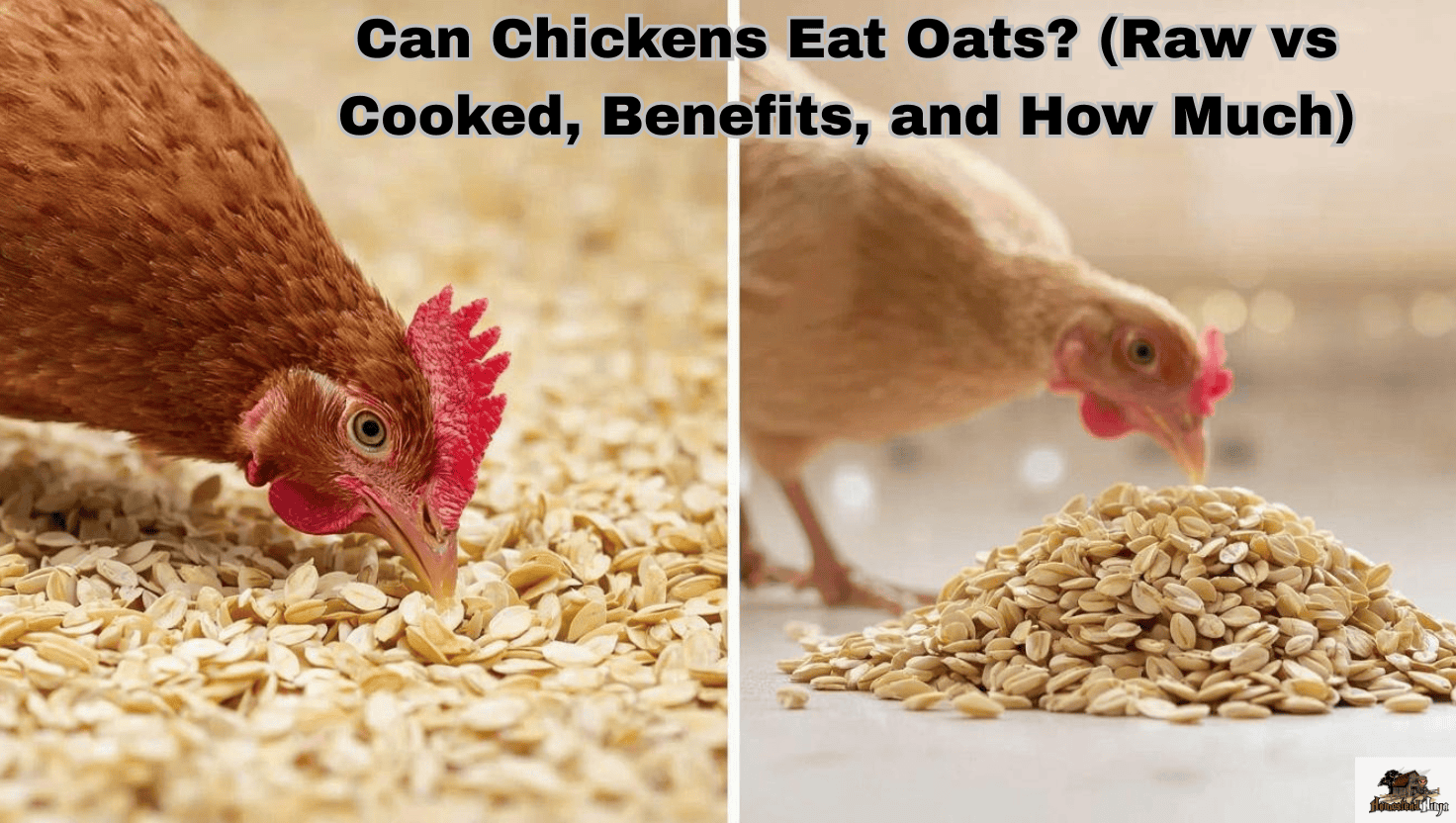
Yes, oats are considered safe for chickens when fed in moderation.
I love oats and it is a part of my own whole foods routine, so I love that I can share my love of oats with my chickens.
Chickens can eat raw oats, rolled oats, whole oats, steel-cut oats, and cooked oatmeal without any major issues. Oats are commonly included in poultry diets and are often used as a treat food by backyard chicken keepers across the world. The reason chickens tolerate oats so well is simple: chickens are natural foragers and grain eaters. In the wild, they scratch through dirt looking for seeds, grains, bugs, and vegetation, so oats fit naturally into that feeding behavior.
One reason oats have become such a popular treat is because they are easy to serve and inexpensive. Most people already have oatmeal sitting in their pantry, which makes it an easy option when you want to give your flock something extra. Unlike some foods that spark debate in the chicken world, oats are generally accepted as safe by poultry experts and experienced chicken owners alike.
That said, “safe” does not automatically mean “perfect.” Oats contain more fiber than many other grains, and chickens are not designed to process extremely high-fiber diets efficiently. According to poultry nutrition resources, excessive oat consumption can dilute the nutritional balance chickens need from their primary feed. Think of oats like dessert at a healthy dinner table. A small serving can be beneficial and enjoyable, but if dessert replaces the actual meal, problems begin to show up over time.
The biggest thing to remember is this: your chickens’ main diet should still come from a complete layer feed or balanced poultry ration. Oats work best as a supplement, treat, or occasional energy boost rather than the centerpiece of the diet.
Why Chickens Naturally Eat Grains
Chickens are basically tiny agricultural survivalists. Long before commercial chicken feed existed, chickens survived by scratching for seeds, grains, weeds, insects, and scraps. Grain consumption is deeply rooted in their natural behavior, which is why chickens usually go crazy when they see oats tossed into the run. Watching chickens attack a pile of oats honestly looks like someone rang the dinner bell at an all-you-can-eat buffet.
Grains provide quick-access carbohydrates and calories, which help chickens maintain body heat and energy levels. This is especially important during colder months when chickens burn more calories simply staying warm. Oats are often fed in winter because they can help provide extra energy while also creating a warm treat when cooked into oatmeal.
There’s another reason oats work well psychologically for chickens: texture. Chickens love pecking at small loose foods. Rolled oats, cracked grains, and seeds trigger natural scratching and foraging instincts. Feeding oats can actually encourage enrichment behavior, keeping bored chickens occupied and reducing stress-related pecking issues in some flocks.
Still, not all grains are created equal. Corn, wheat, barley, and oats each have different nutritional profiles. Oats stand out because they contain beneficial nutrients like manganese, iron, B vitamins, and fiber. That combination makes oats more nutritionally interesting than many people realize. But again, balance matters. Chickens need protein, calcium, amino acids, and other nutrients that oats alone cannot fully provide.
Types of Oats Chickens Can Eat
One of the most common questions chicken owners ask is whether one type of oat is better than another. The good news is that chickens can eat almost every common oat variety sold in grocery stores. The real difference comes down to texture, processing, and convenience.
| Type of Oats | Safe for Chickens? | Notes |
|---|---|---|
| Rolled Oats | Yes | Most popular and easiest to feed |
| Whole Oats | Yes | Less processed and more natural |
| Steel-Cut Oats | Yes | Harder texture but still safe |
| Instant Oatmeal | Usually | Avoid sugary flavored packets |
Rolled oats are probably the best option for most backyard flocks. They are soft, affordable, easy to scatter, and easy for chickens to digest. Since they’re flattened during processing, chickens can eat them quickly without much effort.
Whole oats are less processed and closer to their natural form. Some chicken keepers prefer them because they contain slightly more intact nutrition. Chickens can still digest them just fine, although some birds may prefer softer rolled oats.
Steel-cut oats are also safe, though they’re firmer and chunkier. Chickens can eat them, but many owners soak or lightly cook them first. As for instant oatmeal, plain versions are usually fine, but flavored packets loaded with sugar, artificial sweeteners, or additives should be avoided. Chickens don’t need maple brown sugar oatmeal any more than they need chicken-sized candy bars!
Raw Oats vs Cooked Oats
This is where chicken owners love to debate. Some people only feed raw oats, while others swear by warm oatmeal during winter. Truthfully, both methods work well.
Benefits of Raw Oats
Raw oats are simple and convenient. You grab a handful, toss them into the run, and you’re done. They store well, don’t spoil quickly, and encourage natural scratching behavior. Chickens enjoy pecking through raw oats because it mimics natural foraging.
Another advantage is cleanliness. Raw oats create less mess than wet oatmeal. If you’ve ever watched chickens stomp through wet food like toddlers in a mud puddle, you already know why that matters. Dry oats are also less likely to freeze during colder weather.
Benefits of Warm Oatmeal
Warm oatmeal becomes especially popular during winter months. Many chicken owners like serving warm oatmeal on freezing mornings because it provides comfort and quick energy. Videos and poultry blogs frequently recommend oatmeal during molting season and cold weather feeding.
There’s also something undeniably satisfying about watching chickens devour warm oatmeal while steam rises into freezing air. It feels like comfort food because, honestly, it kind of is. But moderation still applies. Even warm oatmeal should remain an occasional treat rather than a daily staple.
Nutritional Benefits of Oats for Chickens
Oats contain several nutrients that can support overall flock health when used properly. They’re not a miracle superfood, but they do bring some real benefits to the table.
Fiber and Digestive Support
Oats contain dietary fiber, which can support digestion in moderate amounts. Fiber helps regulate the digestive process and may contribute to healthier gut function. Some chicken keepers notice that oats help maintain normal droppings and improve digestion when included occasionally.
The caution here is that too much fiber can reduce nutrient absorption because chickens don’t process fiber as efficiently as mammals. This is why oats should complement a balanced feed rather than replace it.
Vitamins and Minerals
Oats contain B vitamins, manganese, phosphorus, magnesium, and iron. According to poultry nutrition discussions, manganese plays a role in eggshell quality and skeletal development. B vitamins support nervous system function and energy metabolism, while phosphorus contributes to bone health.
No, feeding oats won’t suddenly transform your chickens into egg-laying superheroes. But adding nutrient variety through healthy treats can contribute to a more diverse and enriched diet.
Energy During Cold Weather
This is probably the biggest practical reason chicken owners feed oats. Oats provide carbohydrates that help chickens maintain energy during winter. Chickens burn calories to stay warm, especially in freezing climates. A moderate oat treat can help provide extra fuel during colder periods.
Many flock owners serve warm oatmeal before bedtime during winter because digestion generates body heat. Whether that effect is dramatic or modest, chickens definitely seem to appreciate the extra calories when temperatures drop.
How Much Oats Should Chickens Eat?
Moderation is everything when feeding oats. Treat foods, including oats, should generally make up no more than about 10% of a chicken’s overall diet. The remaining 90% should come from nutritionally balanced poultry feed designed for your birds’ age and purpose.
For most backyard flocks, a small handful of oats a few times per week is perfectly reasonable. You don’t need an exact measuring cup unless you’re managing a large operation. Think of oats as a snack rather than a meal.
Overfeeding oats can create nutritional imbalance issues over time. Chickens need sufficient protein, calcium, amino acids, and vitamins for egg production, feather growth, and overall health. If chickens fill up on oats, they may eat less complete feed, which can eventually impact egg production and body condition.
Want to balance your chickens’ diet properly?
➡️ Chicken Feed Calculator – Estimate How Much Feed Your Chickens Need
One easy rule to remember is this: if your chickens begin treating oats like their primary food source, you’re feeding too much. Treats should enhance the diet, not dominate it.
Best Ways to Feed Oats to Chickens
One of the best things about oats is versatility. You can feed them several different ways depending on your chickens’ preferences and the season.
A popular option is simply scattering dry rolled oats in the run. This encourages natural scratching behavior and keeps chickens entertained. Another method is mixing oats directly into layer feed for a mild nutritional boost.
During winter, many chicken owners create warm oatmeal mixtures with safe add-ins like seeds or vegetables. Some people mix oats with scrambled eggs during molting season for extra protein support. Others combine oats with chopped vegetables like carrots or leafy greens.
Protein pairing matters because oats themselves are relatively low in protein compared to what laying hens require. Good pairings include:
- Layer feed
- Cooked eggs
- Black oil sunflower seeds
- Mealworms
- Vegetables like carrots or spinach
Protein sources like eggs → Can Chickens Eat Eggs?
Vegetables like carrots → Can Chickens Eat Carrots? (Coming Soon…)
The key is balance. Oats work best when combined with nutrient-dense foods rather than served alone repeatedly.
Common Mistakes When Feeding Oats
The biggest mistake people make is assuming that because oats are healthy for humans, more must automatically be better for chickens. That logic causes problems fast.
Feeding Too Much Oatmeal
Wet oatmeal can be especially easy to overfeed because chickens absolutely inhale it. But too much oatmeal reduces intake of balanced poultry feed. Over time, that can affect protein intake, eggshell quality, and general health.
Using Oats as a Main Feed
This is the biggest mistake of all. Oats are not nutritionally complete for chickens. A laying hen requires dozens of nutrients in precise ratios for proper health and egg production. Oats simply cannot provide all of that alone.
Another issue is feeding sugary or flavored oat products. Cinnamon brown sugar instant oatmeal might smell amazing to us, but chickens do not need processed sugar bombs in their diet.
Avoid:
- Sugary flavored oatmeal
- Moldy oats
- Spoiled cooked oatmeal
- Excessive portions
Foods That Pair Well With Oats
Oats become much more useful nutritionally when combined with higher-protein or vitamin-rich foods. This creates a more balanced treat instead of a carbohydrate-heavy snack.
Some great additions include:
- Scrambled eggs
- Mealworms
- Pumpkin
- Sunflower seeds
- Carrots
- Kale
- Peas
You can even create a homemade flock bowl during winter by mixing warm oats with vegetables and protein-rich ingredients. Think of it like homemade chicken chili — minus the actual chili, because spicy food isn’t ideal for chickens.
Related guides:
- Can Chickens Eat Rice? – Coming Soon
- Can Chickens Eat Corn? – Coming Soon
- What Can Chickens Eat? The Complete Guide – Coming Soon
Can Baby Chicks Eat Oats?
Baby chicks can eat oats in small amounts, but chick starter feed should remain their primary nutrition source. Chicks require very high protein levels for healthy growth, feather development, and immune support. Feeding too many oats too early can dilute that critical nutrition.
If you want to offer oats to chicks, finely crushed rolled oats work best. Small amounts mixed into chick starter can be okay occasionally, but treats should stay minimal during early development stages.
Think of chick nutrition like building a house. The first stage matters the most because it creates the foundation. Balanced chick starter provides the “construction materials” chicks need to grow properly. Oats are more like decorative landscaping around the house — nice to have, but not the structural core.
Final Thoughts
So, can chickens eat oats?
Absolutely. Oats are a safe, affordable, and nutritious treat that many backyard chickens genuinely enjoy. Whether you feed rolled oats, whole oats, raw oats, or warm oatmeal during winter, oats can fit nicely into a healthy flock diet when served in moderation.
The important thing is balance. Oats should support a healthy feeding routine — not replace it. Your chickens still need quality layer feed, protein, calcium, and diverse nutrition to thrive. Just like us humans, oatmeal is great but if that’s all we ate we would miss out on tons of other nutrients. Used wisely, oats can provide enrichment, energy, and variety without causing problems.
And honestly, watching a flock sprint across the yard for oatmeal might be one of the funniest parts of babysitting our chickens!
FAQs
Can chickens eat uncooked oats?
Yes, chickens can safely eat uncooked oats including rolled oats and whole oats. Many chicken owners prefer feeding raw oats because they are easy to serve and encourage natural foraging behavior.
Is oatmeal good for chickens in winter?
Warm oatmeal is commonly fed during winter because it provides energy and comfort during cold weather. It should still be treated as a supplement rather than a primary feed source.
Can chickens eat instant oatmeal?
Plain instant oatmeal is generally safe, but flavored varieties with sugar, artificial sweeteners, or additives should be avoided.
How often should chickens eat oats?
Most backyard chicken keepers feed oats a few times per week in small portions. Oats should generally remain under 10% of the total diet.
Can oats help chickens during molting?
Many chicken owners feed oats during molting season because they provide extra energy and nutrients. Pairing oats with high-protein foods works best during feather regrowth.